It’s funny how we barely notice our phones now, even though they’ve become a lifeline for work, joy, and everything in between. When I look back, The Evolution of smartphone feels like watching a simple idea grow into a companion that fits our whole world in one hand. I still remember asking,
“When did the first smartphone come out?” and being amazed that the first smartphone looked nothing like what we use today. From the moment the first Android smartphone arrived to the days when people wondered when the first smartphone was made, each step shaped how we call, scroll, and live.
The Pre-Smartphone Era: The Foundations
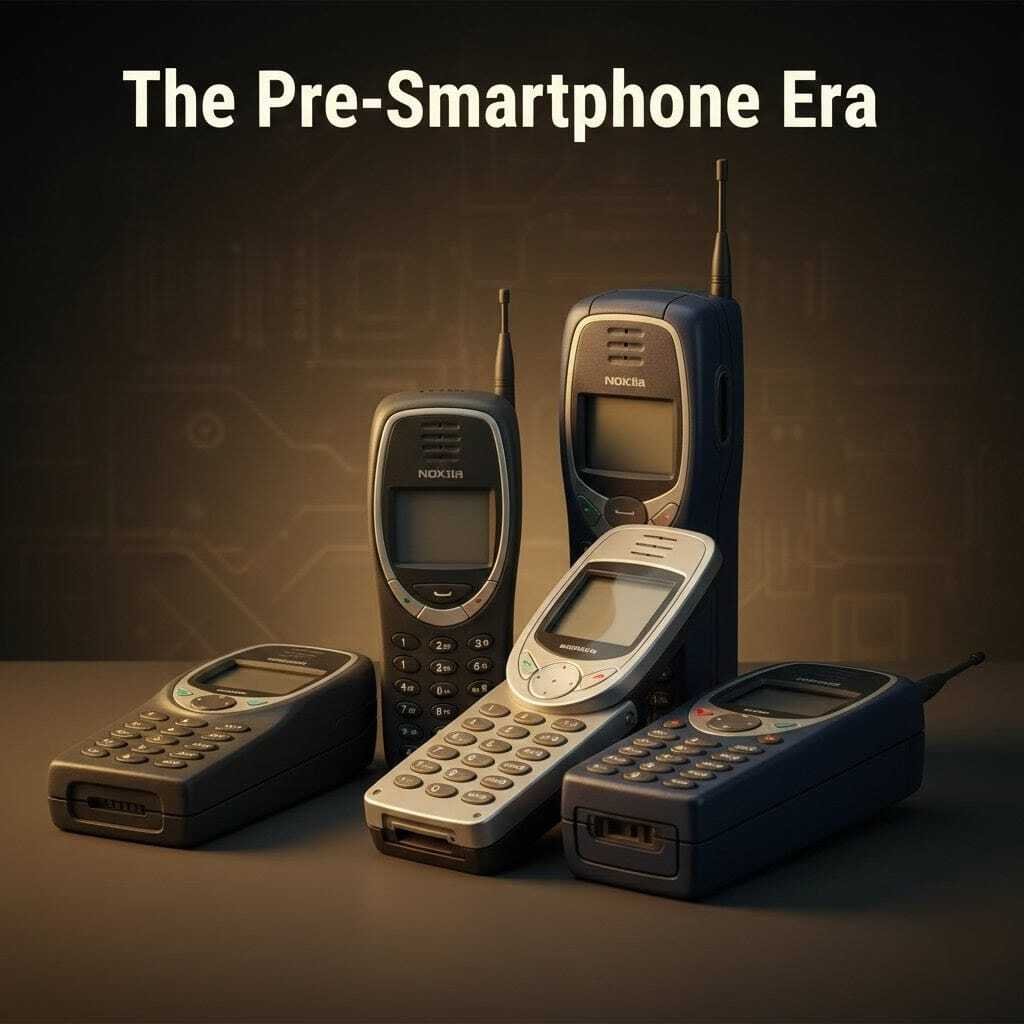
Before smartphones became our everyday essentials, mobile phones went through a simple but important beginning. These early stages shaped the mobile technology evolution we know today.
The First Mobile Phone Calls and Devices
The story starts in 1973 when Martin Cooper made the first mobile phone call—on a device that looked more like a brick than a phone. In 1983, the Motorola DynaTAC 8000X became the first commercial mobile phone. It was big, expensive, and limited, but it opened the door for mobile communication.
Transition from 1G to 2G
As networks improved from 1G to 2G, calls became clearer and SMS messaging was introduced. Early mobile data also appeared, hinting that phones could do more than just call or text.
Feature Phones and Early “Smart-Like” Devices
Before true smartphones arrived, feature phones took the spotlight. Brands like Nokia and Palm introduced devices with basic internet, calendars, and even small keyboards. They weren’t fully “smart,” but they set the foundation for the smartphones we use today.
The Birth of the Smartphone
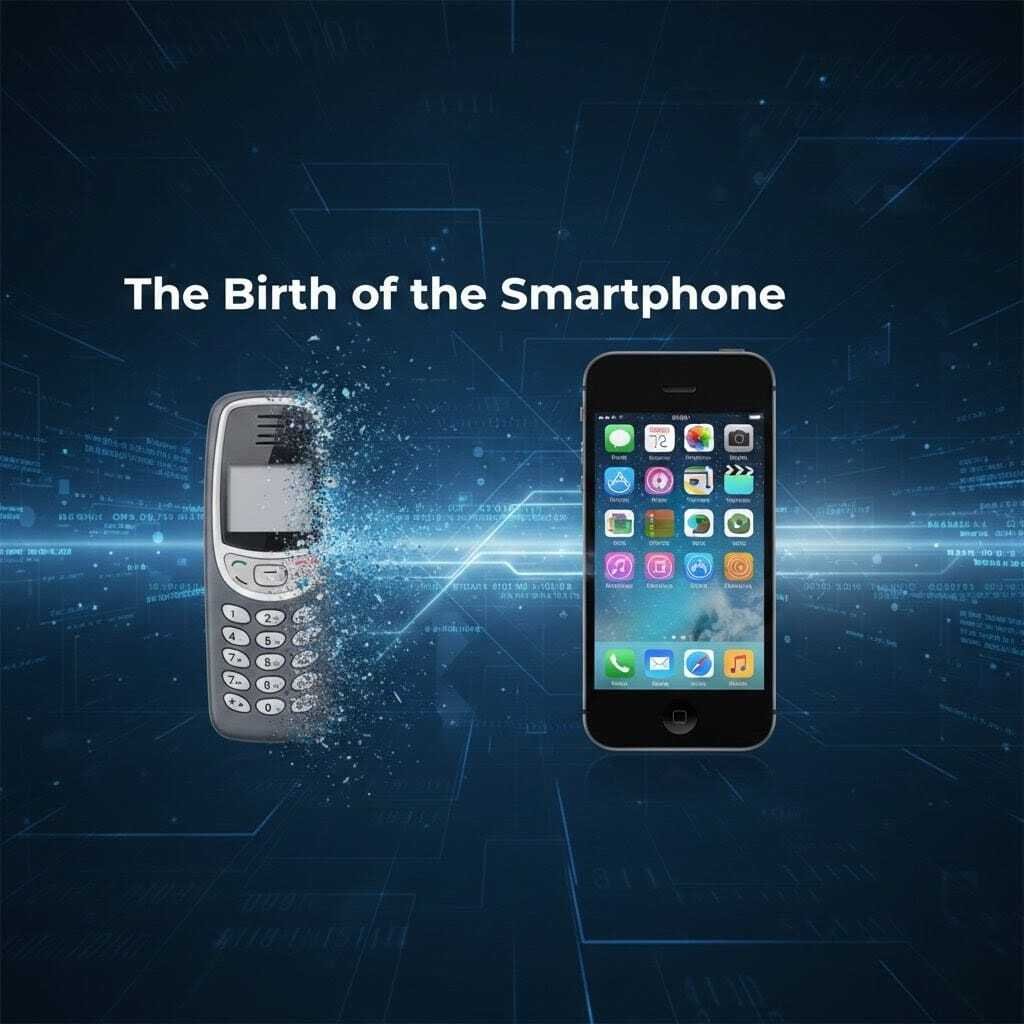
The shift from simple mobile phones to real smartphones felt like stepping into a new world. I remember the first time I saw one of these early smart devices—it felt almost magical, like holding a tiny computer in my hand. This stage marks the true beginning of smartphone history, where phones started to think a little smarter and do a lot more than call or text.
First True Smartphone
It’s hard to talk about the evolution of smartphones without mentioning the first real one. And yes, it came much earlier than most people think.
IBM Simon Personal Communicator (1994)
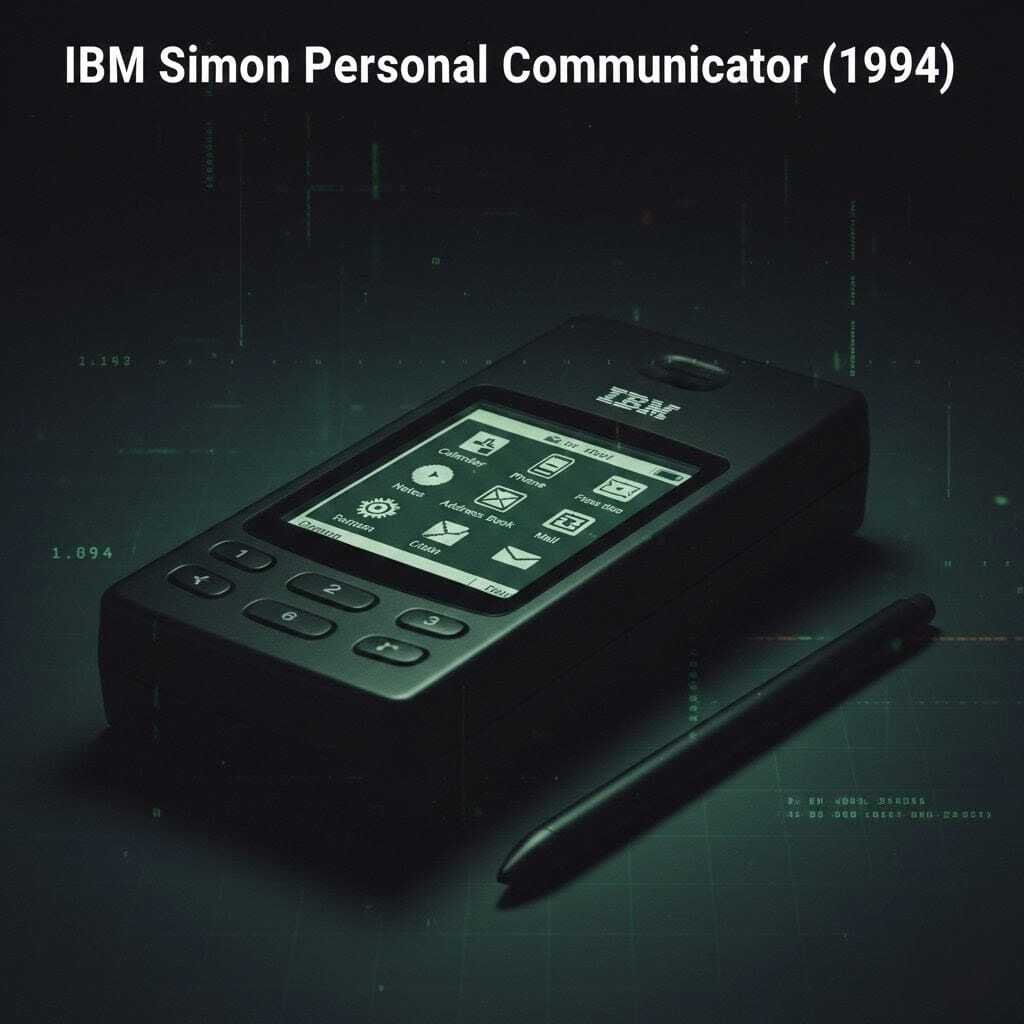
The IBM Simon was the first true smartphone. It could call, send email, and even run a calendar. When I look at it now, it feels a bit like seeing an old family photo—chunky, slow, and simple. But back then, it was a big deal. It showed the world that a phone could also be a digital helper. Simon had no app store and no fast internet, but it planted the first seed for everything we use today.
Early 2000s Business Smartphones
As we moved into the early 2000s, smartphones started to feel more common—at least in offices and among people who loved gadgets. I still remember seeing someone check email on their phone for the first time. It looked so cool and so professional.
BlackBerry and Windows Mobile Devices
BlackBerry led this era. Their phones had small keyboards that clicked when you typed. People loved that sound. It felt fast, sharp, and serious. Windows Mobile phones tried to bring a mini computer into your pocket. They were not perfect, but they pushed mobile technology forward with simple apps, notes, and early web access.
Adoption Among Businesses and Professionals
These phones became a must-have for business users. Managers, sales teams, and office workers used them to stay connected when they were away from their desks. This was when the idea of “work anywhere” really began. It changed how people worked and talked, and it made the world feel a bit smaller. This stage was a key part of the mobile technology evolution.
Popularization of the Term “Smartphone”
Soon, more people started hearing the word “smartphone.” At first, it sounded like something only tech lovers talked about. But as phones gained more features—like simple apps, email, and better screens—the word spread.
People began to ask things like “When was the first smartphone invented?” and “What makes a phone smart?” Everyday users were getting curious, and brands used the word more often in ads. This growing awareness helped smartphones shift from business tools to everyday devices. It was the bridge that carried us from early smart-like phones to the full smartphone era we know today.
The Smartphone Revolution: Touchscreens, Apps & Ecosystems
This was the moment when phones stopped feeling like tools and started feeling like magic. I still remember holding one of these new touchscreen phones for the first time. It felt smooth, bright, and alive in a way older phones never did. This stage changed everything in smartphone history and pushed the mobile technology evolution into a new age.
The Game-Changer: Apple iPhone (2007)
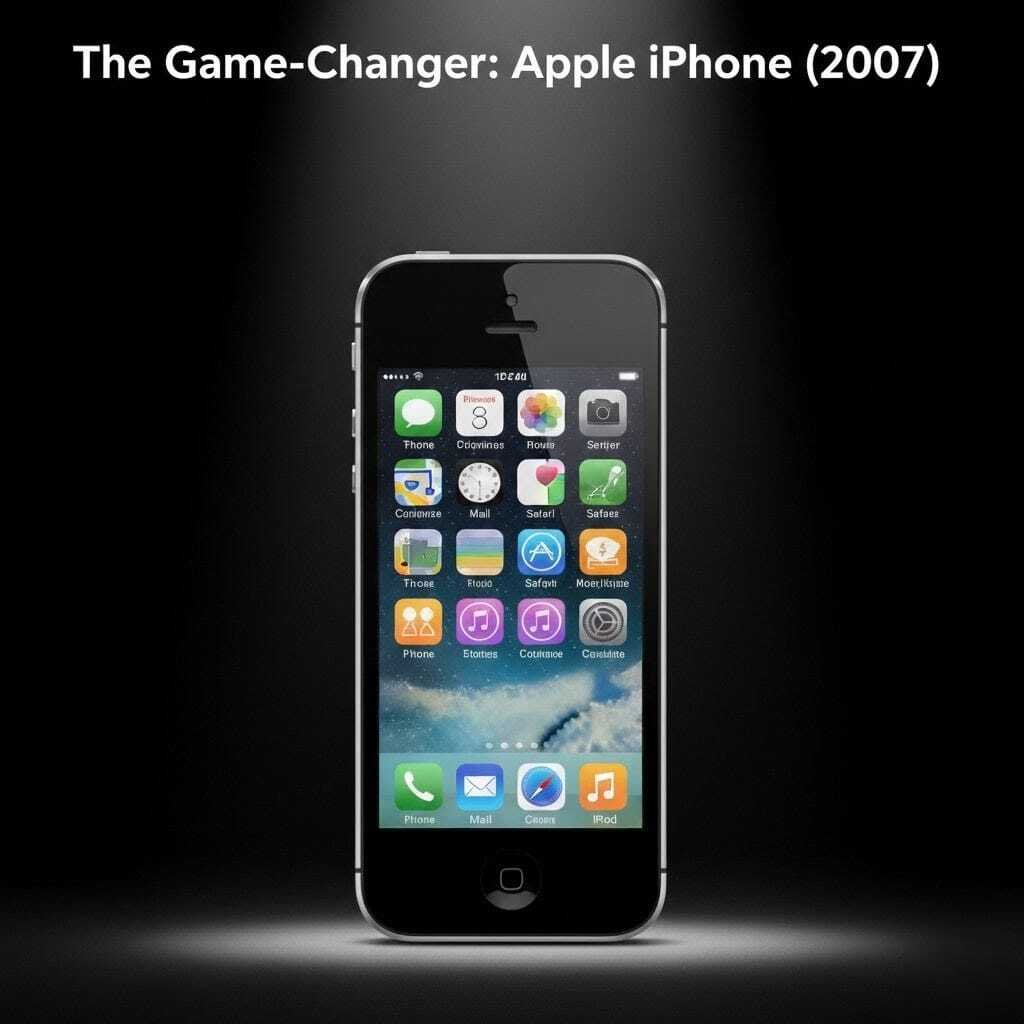
When the first iPhone came out, it felt like a wave hit the whole world at once. People lined up outside stores because they knew this was not just another phone. It was fresh, bold, and almost unreal.
Touchscreen Interface, Multi-Touch Gestures, Mobile Internet
The iPhone replaced buttons with a clean touchscreen. You could tap, slide, and pinch with your fingers. It felt natural, like the phone understood you. Mobile internet also became easy to use. Browsing the web on your phone suddenly felt normal, not like a painful task. This moment was a turning point in iPhone history, and it set a new standard for every smartphone that came after.
The Rise of Android (2008)
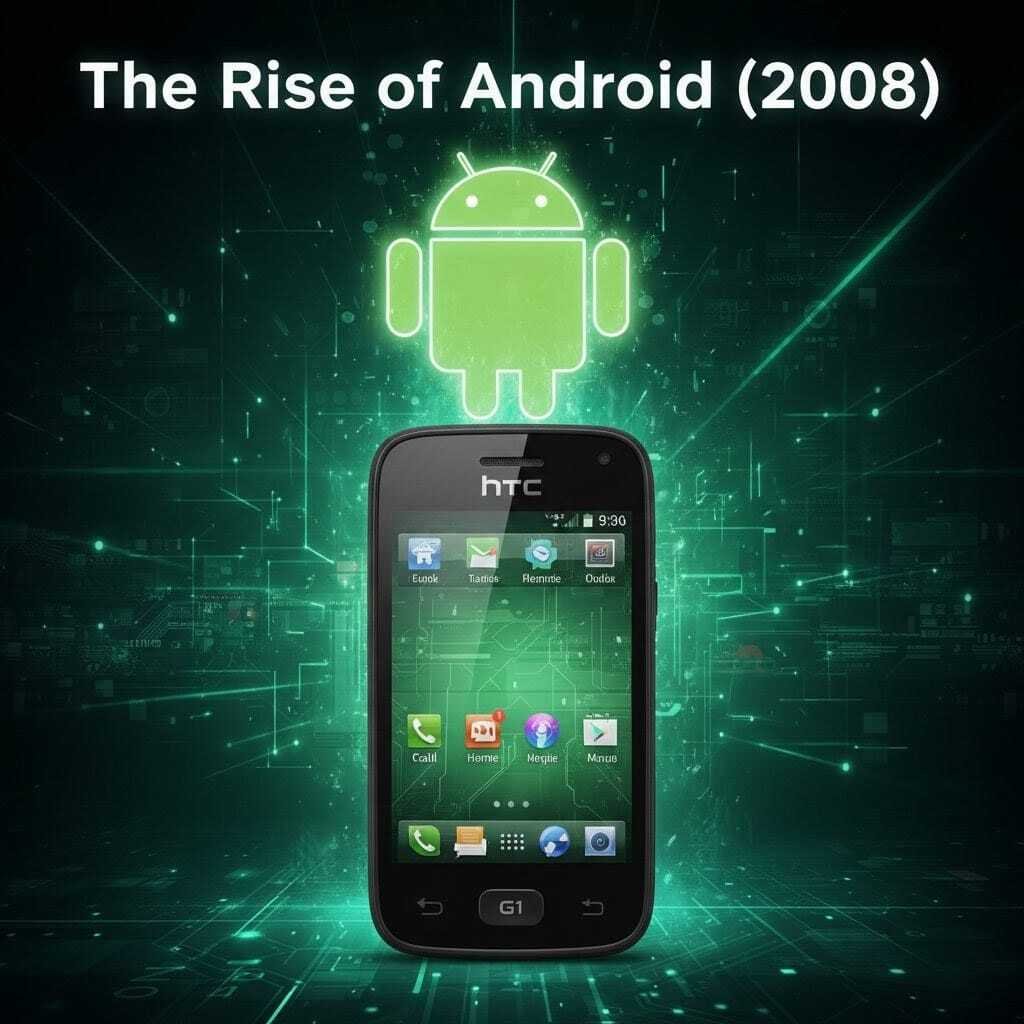
Right after the iPhone changed the game, Android stepped in with a different idea. Android felt open, flexible, and friendly to both users and developers. It gave people more choices and more freedom.
Open Ecosystem, App Development Opportunities
The best part about Android was its open nature. Anyone could build apps, try new ideas, and make the system better. This sparked a wave of creativity. It helped smartphones grow fast because people loved having many options. This stage was a key part of the Android evolution, shaping the apps, tools, and features we enjoy today.
App Stores & Mobile Computing
Then came the real magic: app stores. This is when smartphones stopped being phones and became tiny computers in our pockets. I still remember the joy of downloading my first app. It felt like discovering a secret room full of endless tools and games.
Shift from Calling/Texting to Computing in Your Pocket
Apps changed everything. We no longer used our phones only to call or text. We used them to play, work, learn, chat, shop, and create. The app store made smartphones a part of daily life. It pushed mobile computing far beyond anyone’s expectations.
Hardware Innovations
While the software world was exploding, the hardware side moved fast too. Each year brought new upgrades that made smartphones faster, smarter, and more fun to use.
Touchscreens, Sensors, Cameras, 3G/4G Connectivity
Touchscreens became brighter and smoother. Cameras got sharper, and sensors made phones feel more aware of their surroundings. With 3G and later 4G, the internet felt fast and steady. You could stream music, watch videos, and share moments in seconds. These features shaped modern smartphone apps, touchscreen phones, and the way we connect today.
Design Evolution: Sliders → Flip Phones → Ultra-Thin Full-Touch Devices
I still smile when I think of old slider and flip phones. They had their own charm. But the world moved toward slim, full-screen designs. Phones became light and stylish. They looked simple on the outside but carried so much power inside. This design shift helped smartphones blend into our lives in a smooth and natural way.
Mainstream Adoption & Global Spread
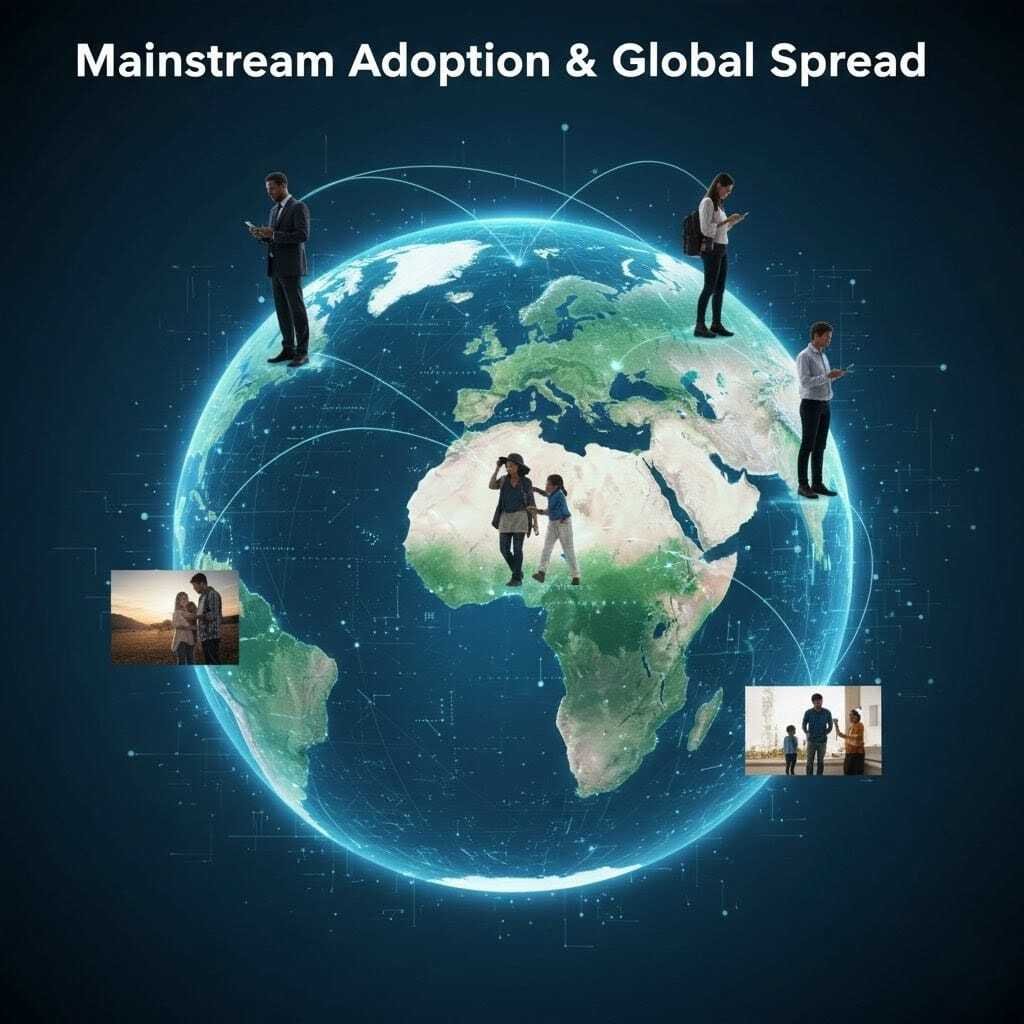
There was a moment when smartphones stopped feeling special and started feeling normal. I still remember looking around a bus one morning and seeing almost everyone holding a phone. It felt like the world shifted overnight. The evolution of smartphones didn’t just change tech — it changed daily life in a quiet but powerful way.
Ubiquity and Affordability
Smartphones become common worldwide.
It’s amazing how fast smartphones spread. At first, they felt like luxury gadgets. But within a few years, cheaper models appeared, and suddenly everyone—from students to shopkeepers—had one in their pocket. I still remember when my younger cousin got her first budget smartphone. She was so excited, even though it was a simple device. That moment reminded me how powerful mobile technology evolution can be when it becomes accessible.
Smartphones became part of everyday life because prices dropped and choices grew. Companies pushed hard to make phones for every budget, and that made the global smartphone adoption skyrocket. Before we knew it, owning a smartphone felt as normal as owning a toothbrush.
Societal Impacts
Communication, social media, photography, entertainment.
Smartphones didn’t just spread—they changed how we live. Communication became instant. A simple text could replace a long trip across town. Social media also took off, and it felt like the whole world moved into one big digital room.
Photography changed too. I still laugh when I think about carrying a point-and-shoot camera everywhere. Now, phones capture everything—from birthdays to sunsets—with one quick tap. Entertainment also grew fast. Music, videos, games—everything moved into our hands. This shift shows how deep the smartphone impact is on our culture and daily habits.
If you want to know more social impact of smartphones then Click Here
Business & Productivity
Mobile commerce, remote work, enterprise apps.
Work changed in a big way. Smartphones made it easy to reply to emails, join meetings, or check tasks while on the go. I remember the first time I approved a document from a café using my phone. It felt unreal, almost like cheating time.
Mobile commerce also took off. People started shopping from anywhere—on buses, during lunch breaks, or late at night. Enterprise apps grew too, helping teams stay connected even when they were miles apart. These tiny devices helped build a new work culture built on speed, access, and flexibility.
Emerging Markets
Leap-frog growth in developing countries.
Some of the biggest smartphone growth happened in developing countries. It felt like these places jumped straight from feature phones to full-on smart devices. I’ve seen families in rural towns use smartphones to learn, shop, and stay informed. It’s inspiring because it shows how powerful smartphone history really is.
In many regions, smartphones became the first computer people ever owned. They helped students study, helped small shops join online marketplaces, and helped communities stay connected. This leap-frog growth turned smartphones into tools of empowerment, not just gadgets.
Modern Smartphones (2013–Present)
The smartphones we use today feel almost unreal when we compare them to older devices. Sometimes I pick up my phone and think, “How did we get here so fast?” It’s like watching a quiet revolution unfold in our hands. The modern smartphone era is where everything became sharper, faster, and a lot smarter. This stage shows how far mobile technology evolution has reached and how deeply it shapes our daily life.
Want to know about Iqoo neo 11 reveiw Click Here
Hardware Today
Modern smartphones have grown into tiny powerhouses. They look simple from the outside, but inside, there’s a world of smart tech working together. I still remember the first time I switched from a single camera phone to one with three lenses. It felt like carrying a small photography studio in my pocket.
Multi-camera systems, AI-on-device, foldables, 5G, IoT integration
Camera systems have changed the game. Multiple lenses help you zoom, shoot wide angles, and take sharper photos. AI-on-device helps your phone understand scenes, faces, and light almost like magic. It feels like the phone becomes your quiet assistant, fixing photos before you even ask.
Foldable phones brought back that childhood excitement. The first time I opened one, it felt like opening a book made of light. Screens that bend, phones that expand—these ideas felt impossible years ago.
And with 5G, everything got faster. Videos load in a blink, downloads feel instant, and online games run smooth. Smartphones also talk to smart home devices, watches, and even cars. This IoT integration makes life feel more connected than ever.
Software & Ecosystem Evolution
If the hardware is the body, the software is the soul. Modern software makes our phones feel alive. Each update makes the phone a little better, a little safer, a little smarter. It’s like caring for a plant that grows with every new season.
Continuous updates, security, privacy, cloud integration
Regular updates keep phones running smooth. They fix bugs, add features, and protect us from risks. Security got stronger too. Face unlock, fingerprints, and private folders help us feel safe in a digital world.
Privacy also became a big topic. People want to know who sees their data. Modern smartphones now offer clearer controls so users can decide what stays private.
Cloud integration changed how we store things. Photos, files, and chats don’t live only on the phone anymore. They float safely in the cloud, ready to come back whenever we need them. It makes switching phones painless and keeps memories safe.
Services & Monetization
There was a time when apps were simple and free. Now, apps feel like little worlds of their own. Modern smartphones introduced a new ecosystem of services that blend into daily life.
Apps, subscriptions, mobile payments, digital wallets
Apps today do everything. They help us learn, work, travel, and relax. Some offer subscriptions that unlock extra features—like music apps with better sound or games without ads. It can feel like renting tools you use every day.
Mobile payments made life easier. The first time I paid for groceries with my phone, it felt strange but exciting. Now it feels normal. Digital wallets let us send money, pay bills, and shop with a tap. This shift turned smartphones into financial tools we trust for both small and big moments.
Current Challenges
Even with all the progress, modern smartphones face real challenges. Sometimes it feels like we’re running so fast with innovation that we forget to slow down and fix the basics.
Battery life, repairability, sustainability, digital divide
Battery life is still a battle. Phones get more powerful, but batteries struggle to keep up. Many people charge their phones twice a day, which shows how demanding modern apps and features are.
Repairability is another issue. Phones are thinner and sleeker, but harder to open and fix. Many users throw away devices with small issues because repairs cost more than buying something new.
Sustainability matters too. Old phones turn into e-waste, and new phones need rare materials. More people now care about responsible production and recycling.
And then there’s the digital divide. Not everyone can afford modern smartphones or fast internet. Some enjoy cutting-edge tech, while others are left behind. Bridging this gap is one of the biggest challenges in smartphone history.
The Future of Smartphones
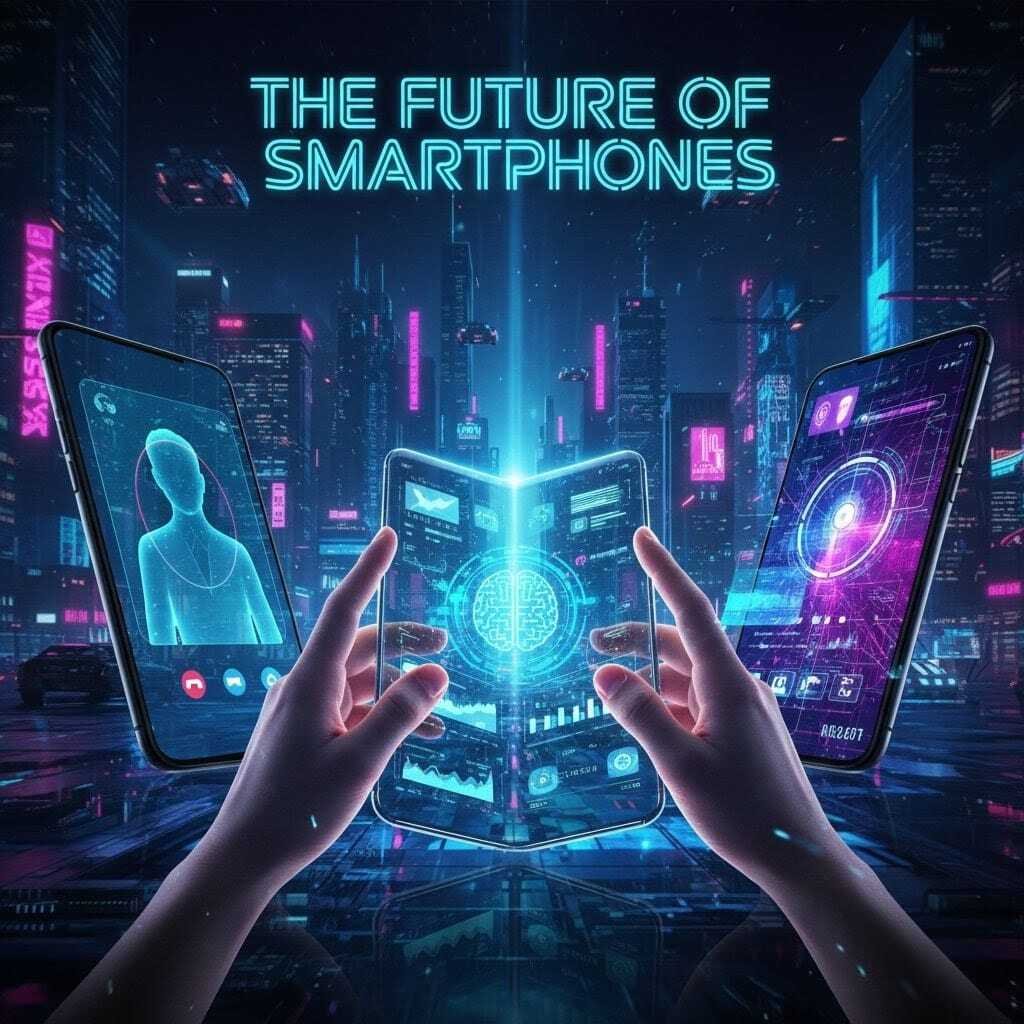
It’s funny how every time I think smartphones can’t get any better, something new pops up and surprises me again. The future of smartphones feels a bit like standing on a hill and watching another hill appear right after it. You can see the path, but you know there’s more waiting ahead. When I think about what comes next, I can almost feel the excitement of opening a new box and seeing a new world inside.
Near-Term Innovations
The near future feels close enough to touch. These changes are already shaping the next chapter, and sometimes it feels like we’re walking straight into a sci-fi movie without even noticing.
6G, AR/VR integration, modular phones
6G is the big one. I remember how fast 4G felt, and then 5G came in like a flash. But 6G aims to make everything instant. It might feel like the internet is sitting right beside us, ready before we even tap. This upgrade could change how apps run, how games feel, and how fast we share moments.
AR and VR will also play a huge role. I can imagine holding my phone and seeing a digital layer floating around me—maybe directions in the air or a virtual friend sitting on my chair. It sounds wild, but we’re already close. These tools will make learning, shopping, and gaming feel more alive.
Modular phones might show up again too. The idea is simple: instead of buying a whole new phone, we replace small parts. A new camera. A new battery. It feels practical and eco-friendly, like giving our phones a fresh chance without throwing them away.
Beyond Hardware
In the future, the biggest changes might not come from the phone itself but from the things around it. It’s like the phone will become the heart, and everything else will beat with it.
Wearables convergence, embedded connectivity (eSIMs)
Wearables are slowly becoming part of us. Smartwatches, earbuds, glasses—they all blend into one connected world. Sometimes I forget my watch even has its own tiny brain until it buzzes with a reminder. In the future, these devices might work so smoothly together that switching between them feels like sliding from one thought to another.
Embedded connectivity, like eSIMs, makes phones feel lighter and freer. No more tiny cards to swap. Your number and network sit inside the phone like a quiet guest in a room. This will make traveling easier and give us more freedom to switch plans without stress. It’s a small change, but it opens many doors.
New Paradigms
This is the fun part—the ideas that sound impossible until they suddenly show up in stores. Every few years, the smartphone world gives us a twist we didn’t expect.
Foldables, rollables, transparent displays, AI assistant integration
Foldables are already here, but they’re just getting started. Opening one feels like opening a book made of light. Rollable screens may follow soon. Imagine pulling the screen out like a scroll. It’s strange, but exciting.
Transparent displays might also appear one day. The idea of holding a phone that looks like a piece of glass feels like something from a superhero movie. I can picture holding it against the window and seeing digital signs floating on top of the real world.
AI assistants will grow too. Right now, they mostly answer questions or set reminders. In the future, they might become more like friendly guides—understanding mood, suggesting ideas, helping with tasks, and solving problems before we even notice them. It’s almost like having a tiny helper living inside the phone.
Societal Implications
The future of smartphones isn’t only about tech. It’s also about how these changes shape our world and our daily life. Every big step brings good things, but it also brings questions.
Privacy, digital ethics, global connectivity, regulation
Privacy will be a major concern. As phones get smarter, they will know more about us. It feels a bit like giving someone the keys to our room. So we’ll need stronger rules to protect our personal space.
Digital ethics will matter too. AI, apps, and data need to be handled with care. The goal is to keep innovation exciting without crossing moral lines. It’s a balance we all have to walk together.
Global connectivity will grow fast. More places will connect to high-speed networks. This can help students learn, workers grow, and families stay close—even when they live far away.
Regulation will become important as well. Governments will step in to set fair rules for data, apps, networks, and digital rights. It might feel strict at times, but it helps keep the digital world safe and equal.
Impact & Significance
Economic Impact
Devices, ecosystems, apps, job creation
It’s easy to forget how big the smartphone impact is until you take a small step back. Sometimes I look at my phone and think, “Wow… this tiny thing created a whole world of work.” The mobile economy grew so fast that it feels like watching a small shop turn into a huge market overnight.
Smartphones created millions of jobs. I still remember meeting a friend who started as a small app developer. He built a simple tool for notes, and it changed his life. Jobs grew in design, coding, marketing, repair shops, and even online stores. It felt like every new app opened a new door for someone.
Brands built full ecosystems too. Phones linked to watches, earbuds, smart homes, and cloud services. Each device added more value and more work for people everywhere. This mix of devices, apps, and services created an economy that never sleeps. It’s one of the clearest signs of how powerful technological innovation can be.
Social & Cultural Impact
Communication patterns, content creation, global culture
Smartphones changed the way we talk. I still remember waiting by the landline phone for calls. Now, a quick text or emoji can say a whole story. It’s simple, fast, and warm. Phones helped families stay close, even when far away.
Content creation grew in a beautiful way. People started taking photos, making videos, and sharing small pieces of their life. Sometimes I see a short clip from someone across the world, and it feels like I’m right there with them. This mix of voices created a global culture that feels open and alive.
Smartphones also changed how we learn and share ideas. One post can travel across the world in seconds. It’s strange and amazing at the same time. This shift shows how deeply smartphones shaped the social side of our lives.
Technological Spillover
Sensors, mobile computing, IoT, smart cities
Smartphones pushed other technologies forward too. I often think of them as quiet engines that power many things around us. Sensors first used in phones now help with wearables, smart homes, and even cars. It’s like the technology inside phones spilled into the world.
Mobile computing made daily tasks easy. You can work, study, shop, or relax from almost anywhere. It’s simple and natural now, but years ago it felt like magic.
Smartphones also helped build IoT systems. Lights, cameras, and even fans can connect with just a tap. And in big cities, phones help with maps, traffic, buses, and payments. These small steps helped shape smart cities that feel more connected and more helpful.
Environmental & Ethical Considerations
E-waste, resource use, sustainability
Even with all the progress, smartphones bring real challenges. Sometimes I look at an old phone in my drawer and wonder how much e-waste the world holds. Many people upgrade each year, and every upgrade leaves something behind. This is why sustainability matters so much today.
Resource use is another concern. Smartphones need rare materials, and mining them affects people and nature. Brands are now trying to recycle more parts and use cleaner methods. It’s not perfect, but it’s a start.
Ethical choices matter too. How phones are made, how long they last, and how they are recycled can shape our future. More people now ask for fair production, repairable phones, and eco-friendly designs. These small choices can lead to big changes.
Frequently Asked Questions (FAQ)
When was the first smartphone invented?
It still surprises me when I think about the first smartphone. Most people guess it came out in the 2000s, but it showed up way earlier. The first real smartphone was the IBM Simon, released in 1994.
It could call, send email, and even run simple apps. The phone looked big and slow, but it was a smart idea for its time. When I first saw a picture of it, I laughed a little because it felt like looking at a baby photo of all the modern phones we use now.
This moment in smartphone history marked the start of everything we enjoy today—touchscreens, apps, and mobile internet.
How did smartphones affect the way we live and work?
Smartphones changed our days in small but deep ways. I still remember carrying a camera, a notebook, and a music player in my bag. Now, one device does it all.
Work changed too. I once replied to an important email from a tea stall while waiting for a friend. That tiny phone saved my whole day. This shows how much mobile technology evolution reshaped work life.
We text more. We call less. We take photos of everything. We stay close even when we live far apart. It’s amazing how a small screen can connect so many parts of our lives.
Are foldable smartphones the future?
Foldable phones feel like magic the first time you open one. I still remember touching the screen and thinking, “Wow, this bends, but it works!”
Are they the future? Maybe not for everyone, but they show where the evolution of smartphones is heading. Bigger screens. New shapes. More freedom to use phones in new ways.
Many people love them because they mix fun with function. But some still prefer simple phones. I think foldables will grow, get cheaper, and feel stronger. They may not replace all phones, but they will shape the next big wave of smartphone design.
What will replace the smartphone?
It’s a strange thought, right? We use our phones so much that it’s hard to imagine life without them. But tech moves fast.
I think the next step may come from wearables or smart glasses that blend real and digital worlds. Picture seeing maps in front of your eyes or talking to an AI assistant that feels more like a friend than a tool.
Some say the future may shift to devices you don’t even need to hold. Maybe screens that float. Maybe phones you wear. It sounds wild now, but so did smartphones twenty years ago.
Whatever comes next, it will grow from the same path that shaped today’s phones—innovation, curiosity, and the constant push to make life easier.
Conclusion
Recap key milestones in smartphone evolution
When I look back, the evolution of smartphones feels like watching a small spark turn into a bright fire. We started with heavy mobile phones that did little more than make calls. Then came early smart-like devices, the IBM Simon, BlackBerry, and those first touchscreen phones that felt like magic. The iPhone changed everything, Android opened the doors wider, and apps turned our pockets into tiny computers. Today’s phones—AI-powered, multi-camera, and fast—show just how far smartphone history has come.
Emphasize ongoing evolution and innovation
What amazes me most is that the journey isn’t slowing down. Every year brings something new—foldables, faster chips, better cameras, 5G, and now AI that feels almost human. The mobile technology evolution keeps moving like a steady river. Even when it seems we’ve reached the limit, another idea appears. I often smile and think, “What’s next?” because the future of smartphones still feels wide open.
Takeaway for readers: reflect on how smartphones influence daily life and the future of mobile tech
If you pause for a moment, it’s clear how deeply smartphones shape our lives. They hold our memories, guide our trips, help us work, and keep us close to people we love. They’re more than tools—they’re quiet companions that grow with us. As you look at your own phone, think about the long road that led here and the exciting future still ahead. The next chapter of mobile tech may surprise us again, and we’ll be here to watch it unfold, one upgrade at a time.